HDPE Sail Shades Explained: Fabric, Colour and UV Rating for the UAE
What the fabric specification on your quote actually means, and how to choose a colour and grade that performs in the UAE sun.
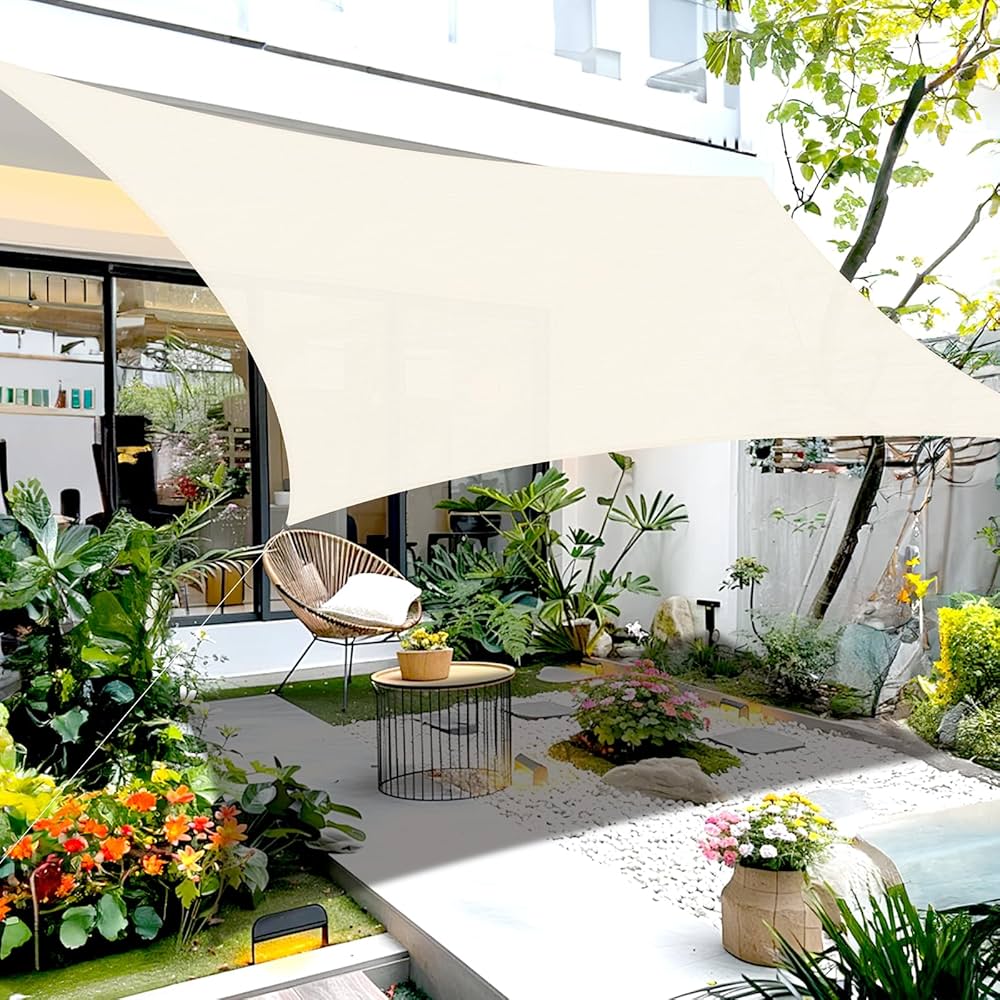
HDPE sail shades are one of the most common shade solutions across the UAE, popular for car parking, pool decks, and garden seating areas because they are lighter, faster to install, and more affordable than rigid roof structures while still providing genuinely effective sun protection. What most buyers don’t realise is how much variation exists within “HDPE shade fabric” as a category — not every sail is built the same, and the differences in weave density, UV treatment, and colour stability have a direct effect on how the structure performs and how long it lasts in UAE conditions.
This guide breaks down what to look for in an HDPE shade fabric specification, how colour choice affects both performance and approval in managed communities, and how sail shades compare to our other car parking shade options.
What HDPE Actually Is, and Why It Suits This Climate
High-density polyethylene, the material behind every HDPE shade sail, is a knitted fabric rather than a woven one, which gives it a distinctive open structure that allows air to pass through while still blocking the majority of UV radiation. This breathability is actually one of HDPE’s biggest practical advantages in the UAE — a solid, non-breathable cover trapped over an area in direct sun can create a greenhouse effect underneath, while a knitted HDPE sail allows hot air to escape rather than accumulate, keeping the shaded area noticeably cooler in practice than the shade percentage alone would suggest.
The fabric is also genuinely lightweight relative to its strength, which is part of why sail shades can span reasonably wide areas with relatively slender posts and minimal structural framework compared to a rigid roof of the same size — a meaningful cost saving passed on to the buyer.
Reading the UV Block Percentage on a Quote
A genuine HDPE shade fabric quote should state a specific UV block percentage, typically somewhere between 85% and 95% depending on the knit density and colour. This is not a marketing number that can be safely ignored — it represents a real, measurable difference in how much UV radiation passes through the fabric to anything or anyone underneath it. A fabric rated at 90% UV block, for example, still allows roughly a tenth of UV radiation through, which is a meaningful amount over a full day of UAE sun exposure, particularly for anyone sitting under the shade for extended periods.
For car parking applications, a slightly lower UV block percentage is generally acceptable, since the goal is primarily reducing the vehicle’s interior heat build-up rather than protecting skin directly. For pool decks, children’s play areas, or outdoor seating where people will spend extended time under the shade, we recommend specifying fabric at the higher end of the available range, generally 90% or above, and always asking the supplier to confirm the figure in writing rather than accepting a vague “high UV protection” description with no specific number attached.
Colour: Aesthetics, Heat, and Approval All Intersect
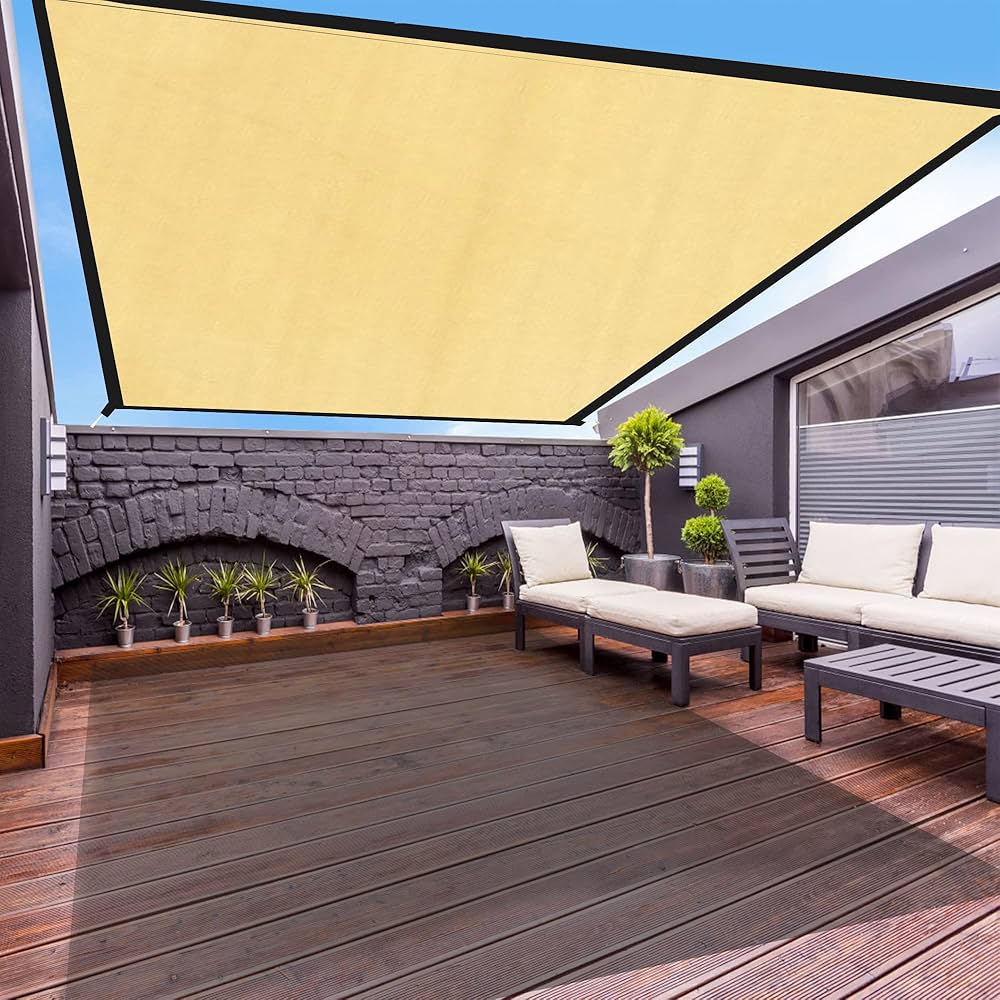
Colour choice for HDPE sail shades in the UAE involves more variables than most buyers initially expect. Darker colours, particularly deep greens, charcoals, and browns, generally fade faster under sustained UV exposure than lighter beige, sand, and cream tones, since the dye pigments in darker shades absorb more UV energy and break down more quickly as a result. This doesn’t mean dark colours should be avoided entirely, but buyers should understand that a striking charcoal sail shade will likely show visible fading sooner than a sand-toned equivalent, and budget for replacement or a slightly shorter expected colour life accordingly.
Colour also affects perceived heat underneath the structure to a small but noticeable degree, with lighter tones typically feeling marginally cooler than dark ones in direct comparison, though the difference is less pronounced than people often assume given HDPE’s breathable structure. For properties in managed communities, colour is frequently the single most scrutinised element of any shade approval application — most communities maintain a specific accepted palette, usually weighted toward neutral beige, sand, and stone tones, and submitting outside this palette is one of the most common reasons for an NOC revision request. If your property is in a managed community, check the approved colour palette before settling on a sail colour, or work with a supplier experienced with your specific community’s NOC process who already knows what typically gets approved.
Sail Shades vs Rigid Roof Structures: Which Suits Your Project
Sail shades are the right choice when the priority is cost-effective coverage over a moderate area, particularly residential driveways and pool decks where the airflow benefit genuinely improves comfort. They are typically faster to install and easier to remove or relocate than rigid structures, which can be useful for tenants or owners who may want to take the structure with them or adjust the layout later. Rigid roof structures, whether aluminum pergolas or solid car parking canopies, suit situations where complete rain protection matters, where the structure needs to integrate architecturally with the building, or where a longer expected lifespan without fabric replacement is the priority, since a quality powder-coated aluminum roof will typically outlast even a high-grade HDPE fabric by a considerable margin.
Many UAE properties end up with a mix of both — sail shades over a car parking area where airflow and cost matter most, and a rigid structure over a primary outdoor living or dining space where year-round weather protection and architectural integration are the priority. Discussing your specific use case with a supplier who offers both options, rather than one who only sells a single product type, generally leads to a more honest recommendation about which solution genuinely fits each area of your property.
⛱ Choosing the Right Sail Shade Fabric?
Modern Shade supplies HDPE sail shades and rigid car parking shade alternatives across the UAE, with physical fabric and colour samples brought to every site visit. We can also advise on aluminum pergola options for areas needing full weather protection. Call +971 50 852 0085 for a free consultation.