
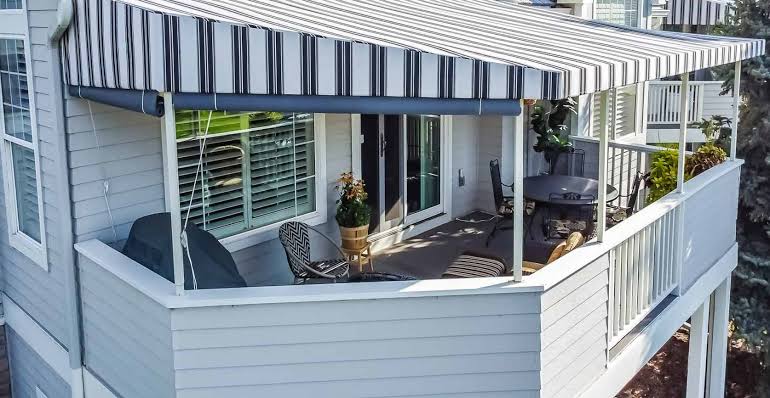
Balcony and Terrace Awnings: Making the Most of Apartment Outdoor Space in the UAE
Practical shading solutions for apartment balconies and terraces, including what’s possible within building and strata rules.
Most discussion of UAE outdoor shading focuses on villas — driveways, gardens, and pool decks — but a significant share of the population lives in apartments, and balconies and terraces in towers across Dubai, Abu Dhabi, and Sharjah face exactly the same heat and UV challenges as a villa garden, just on a smaller and more architecturally constrained scale. A well-shaded balcony can become a genuinely usable outdoor space for much of the year, while an unshaded one frequently ends up unused except for a few cooler weeks each winter.
This guide covers the realistic shading options available for apartment balconies and terraces in the UAE, what building and strata regulations typically allow, and how to approach this project differently from a villa-scale installation. For broader context on fixed shading options, see our awning services page.
Why Apartment Balconies Need a Different Design Approach
A villa garden allows ground-level structures with their own independent foundations. An apartment balcony, by contrast, is part of the building’s structural fabric, sits well above ground level, and is subject to building regulations, strata or owners’ association rules, and often facade design guidelines that a villa garden simply doesn’t face. Any shading solution proposed for a balcony needs to work within these constraints rather than treating the space as a miniature version of a villa project.
Wind exposure is also a more significant factor at height than at ground level, particularly on higher floors, which means any structure needs a fixing system rated for the specific wind loads experienced at that elevation rather than a generic ground-level specification. This is one of the most common mistakes we see with poorly planned balcony shading — a structure or retractable awning specified as if it were installed at ground level, which then performs poorly or fails prematurely once exposed to the stronger wind conditions typical of upper floors in a coastal city.
Retractable Awnings: The Most Practical Balcony Solution
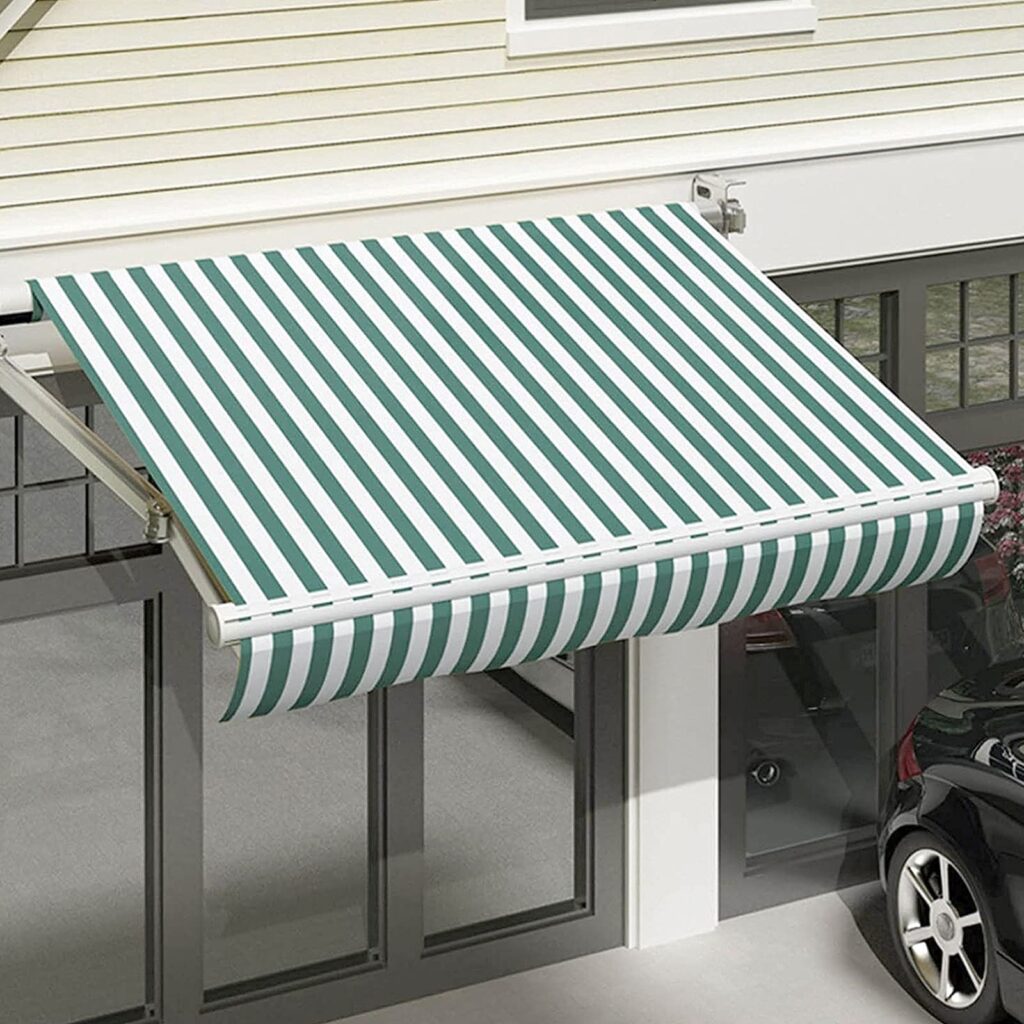
For most apartment balconies and terraces, a retractable awning mounted to the building facade offers the best combination of practicality and approval likelihood. Unlike a fixed pergola, a retractable awning can be fully withdrawn when not needed, which matters both for managing wind risk during stronger weather events and for satisfying building rules that often prohibit permanent structures projecting from a facade but allow retractable ones with appropriate engineering sign-off.
A correctly specified balcony awning includes a wind sensor that automatically retracts the awning once wind speed exceeds a safe threshold, removing the need for the resident to monitor weather conditions manually. This is a meaningful safety feature at height, where an awning caught open in strong wind poses a far greater risk — both to the structure itself and to anything or anyone below — than the equivalent scenario at ground level.
Building Approval: What to Check Before Ordering
Before committing to any balcony shading project, check your building’s specific rules, which are typically set out in the owners’ association or strata bylaws, or for rented properties, confirmed with the landlord and building management directly. Buildings vary considerably in how restrictive their facade rules are — some prohibit any visible exterior addition entirely, while others permit retractable awnings in approved colours that match the building’s existing facade palette, subject to a straightforward application and sign-off process.
The application generally needs to include the proposed awning’s dimensions, mounting method, and colour, along with confirmation that the fixing system has been assessed for the building’s height and wind exposure. Buildings with stricter rules may require a structural engineer’s letter confirming the fixing points do not compromise the facade’s waterproofing or structural integrity, particularly for older buildings where the original facade design did not anticipate later additions. A supplier experienced with apartment and tower projects will know what documentation a typical building management company expects and can prepare it as part of the project rather than leaving the resident to navigate this alone.
Smaller Touches That Make a Real Difference
Beyond the main shading structure itself, a few smaller additions noticeably improve a balcony’s usability once the primary shade problem is solved. Outdoor-rated artificial turf or composite decking over the existing balcony tile creates a softer, more inviting surface underfoot and helps the space feel more like an extension of the living room than a purely utilitarian outdoor area. Planters positioned along the balustrade, ideally with drought-tolerant species suited to wind exposure at height, add greenery without requiring extensive irrigation infrastructure. A small ceiling fan, where the building allows electrical additions of this kind, makes a meaningful comfort difference on the warmer evenings that still fall outside the truly extreme summer months.
None of these additions require the scale of investment a villa garden project demands, but together with a well-specified retractable awning, they can transform a balcony from a rarely used afterthought into a genuinely enjoyable part of the apartment that gets used regularly across most of the year.
🏢 Want to Shade Your Balcony or Terrace?
Modern Shade provides retractable and fixed awning services for apartment balconies and terraces across the UAE, including wind-rated fixings and building approval documentation. Call +971 50 852 0085 for a free consultation.