
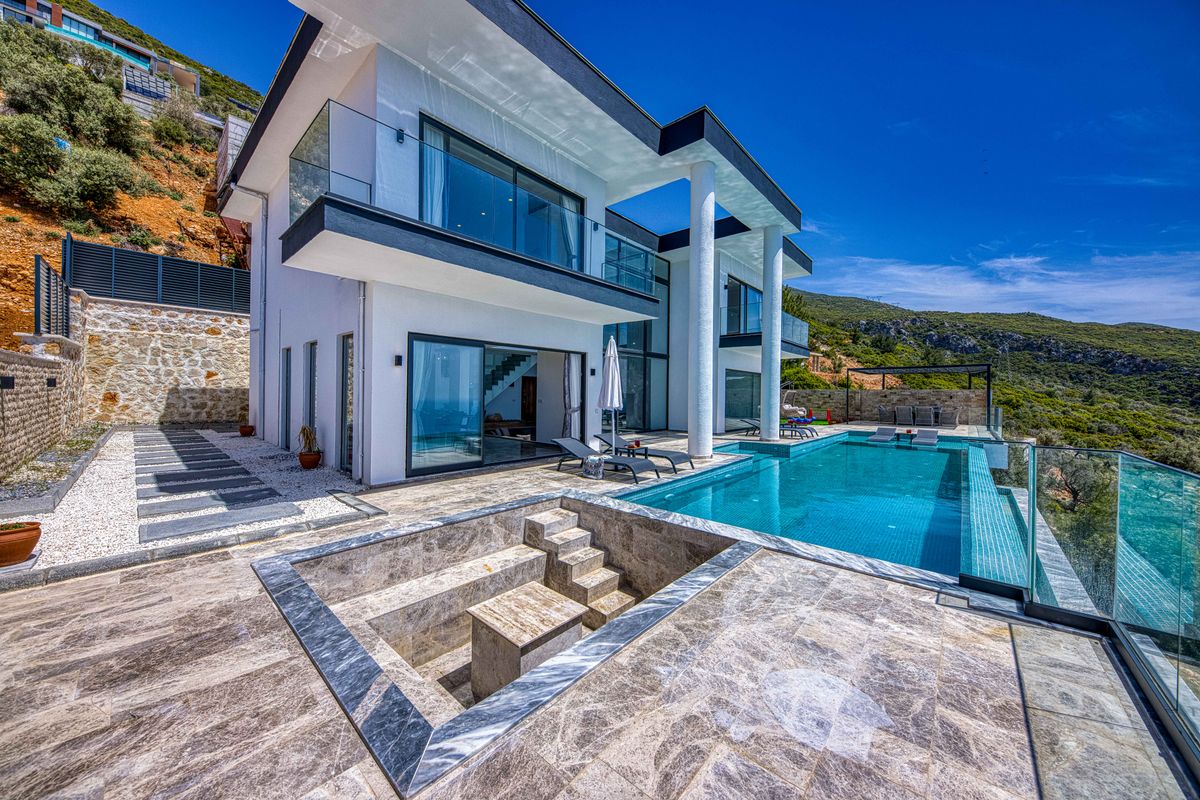
Swimming Pool Services in the UAE: What Every Owner Should Know
A swimming pool in the UAE is not a simple backyard feature, it is a piece of engineering that has to survive intense year-round sun, heavy evaporation, and near-constant use for most of the year, which is exactly why professional swimming pool services matter so much more here than in milder climates. A pool that is designed, built, and finished correctly from the outset will give a family decades of reliable enjoyment, while one built with shortcuts tends to reveal expensive problems within just a few years.
Why UAE Pools Face Unique Engineering Challenges
The combination of intense heat, high evaporation rates, and heavy chlorine or salt water treatment creates a genuinely demanding environment for every component of a swimming pool, from the structural shell down to the smallest piece of pool hardware. Structural shells need to be engineered specifically for local soil conditions, since ground movement or inadequate reinforcement can eventually lead to cracking that is far more expensive to repair once a pool is filled and in regular use. Filtration and water treatment systems also have to work harder here than in temperate climates, since higher water temperatures accelerate algae growth and bacterial activity, meaning a poorly specified filtration system will struggle to keep water genuinely clear and safe throughout the peak summer months.
Surface finishes face their own set of pressures as well, since UV exposure combined with constant chemical treatment causes standard tile grout and plaster finishes to degrade far faster than manufacturers’ general specifications often suggest. This is why experienced pool contractors in this region specifically select UV-stable tiling, glass mosaic, or specialized plaster systems rather than defaulting to whatever finish happens to be cheapest or most readily available.
Core Elements of a Well-Built Pool
A complete swimming pool project covers structural design and construction, decking and coping around the pool edge, tiling and interior finishes, and increasingly, water features and lighting that extend the pool’s usability into the evening hours. The structural phase is where the most critical decisions get made, since the shell’s reinforcement, waterproofing, and foundation design directly determine how the pool will perform for decades, long after the visible finishes have been through several replacement cycles.
Decking and coping deserve just as much attention as the pool itself, since these are the surfaces that people actually walk on barefoot around the water’s edge. Heat-resistant materials that stay cool underfoot even in direct summer sun make an enormous difference to how comfortable a pool area actually is to use, while slip-resistant textures help address safety concerns that standard glossy tile finishes can create when wet.
Filtration, Water Treatment, and Ongoing Water Quality
Even the most beautifully finished pool becomes unusable quickly if the water itself is not properly maintained, which is why filtration and water treatment specification deserves as much attention as the visible design elements. Variable-speed pumps have become the standard recommendation for most UAE installations, since they allow flow rates to be adjusted for actual demand rather than running at full power constantly, reducing both energy costs and unnecessary wear on the filtration system over time.
Water treatment options extend beyond traditional chlorine systems as well, with saltwater chlorination and UV sanitization both gaining popularity among UAE homeowners who want to reduce the harsh chemical smell and skin irritation sometimes associated with heavily chlorinated pools. Whichever system is chosen, regular water testing remains essential, since the combination of high bather load and intense heat can shift water chemistry more quickly here than in cooler climates with lighter pool usage.
Planning a New Pool or Renovation
Whether building a new pool from scratch or renovating an aging one, the process should always start with a genuine site assessment that considers available space, soil conditions, and how the family intends to use the pool, rather than a generic design pulled from a catalog. Coordinating the pool project with surrounding hardscape services for the deck and patio areas, along with any planned outdoor living services for shaded seating nearby, produces a far more cohesive finished result than treating the pool as an isolated project disconnected from the rest of the garden.
For existing pools showing signs of age, such as cracked tiles, cloudy water despite regular treatment, or failing pumps, a professional assessment can often identify whether targeted repairs will solve the problem or whether a more comprehensive renovation makes better long-term financial sense. Waiting too long to address early warning signs typically turns a moderate repair into a full structural renovation, so addressing issues early is almost always the more economical path.
Frequently Asked Questions
How long does it take to build a new pool in the UAE? Most residential pools take between six and ten weeks from initial excavation to final handover, depending on size, design complexity, and the specific finishes selected.
What pool finish holds up best against UAE sun and chemicals? UV-stable glass mosaic and porcelain tiles generally outperform standard ceramic tile and plaster finishes, resisting both fading and chemical wear significantly longer under constant exposure.
Is saltwater chlorination a good option for UAE pools? Yes, saltwater systems have become increasingly popular locally, offering gentler water quality while still providing effective sanitization, though they do require specific equipment suited to the higher mineral content of local water.
How much does routine pool maintenance typically cost? Ongoing maintenance costs vary based on pool size and the level of service required, but establishing a regular maintenance schedule is almost always more cost-effective than addressing problems only after they become serious.
Can an old, deteriorating pool be renovated rather than rebuilt from scratch? In many cases yes, particularly if the structural shell remains sound, allowing homeowners to update tiling, decking, and equipment without the cost of a full rebuild.
Energy Efficiency and Running Costs
Pool running costs in the UAE can add up quickly if the equipment was not selected with energy efficiency in mind, since pumps, heaters, and filtration systems often run for extended hours to keep up with high evaporation rates and heavy usage. Variable-speed pumps typically use significantly less electricity than older single-speed models while providing better filtration control, and the difference in utility bills over several years usually more than covers the modest additional upfront cost of choosing the more efficient equipment from the start.
Pool covers, while sometimes overlooked in villa designs, can meaningfully reduce both evaporation and heat loss during cooler months, cutting down on both water top-up costs and heating requirements for pools that include temperature control. Solar heating options have also become more common locally, taking advantage of the abundant sunshine to reduce or eliminate the need for gas or electric heating systems entirely for much of the year.
Safety Considerations for UAE Pool Owners
Beyond the engineering and finishing decisions, pool safety deserves serious attention, particularly for families with young children or properties that host frequent gatherings. Compliant pool fencing, discussed in more detail in our guide to fencing services, is often a legal requirement in addition to being an obvious safety measure, and it should be planned alongside the pool itself rather than added as an afterthought once construction is complete.
Non-slip decking materials around the pool edge, clearly marked depth changes, and properly secured pool covers or alarms for unsupervised hours all contribute to a genuinely safe pool environment. These considerations cost relatively little to incorporate during the initial design phase but become significantly more disruptive and expensive to retrofit once a pool and its surrounding hardscape are already complete.