
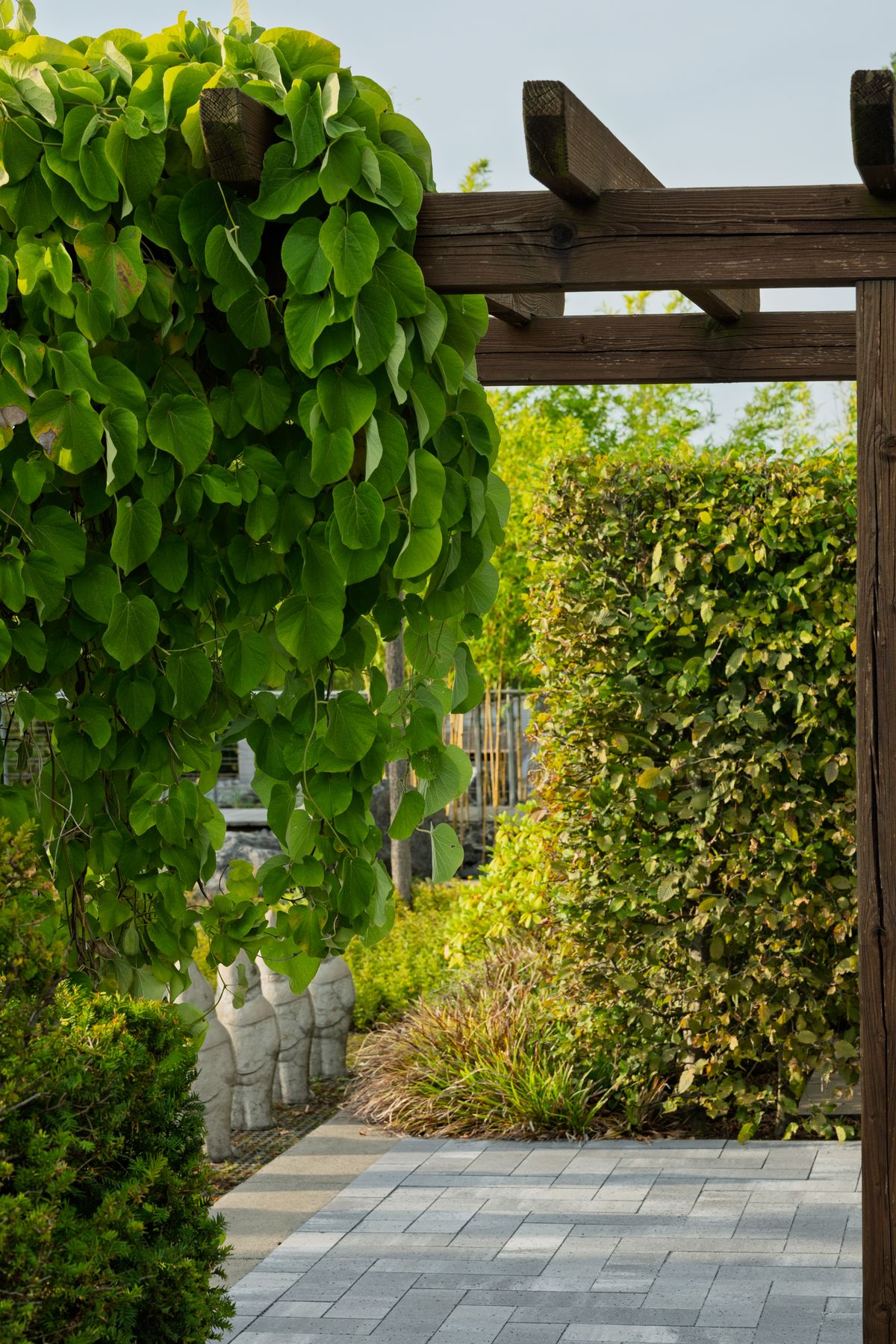
Pergola vs Shade Sail: Which Is Right for Your UAE Garden?
When planning a shaded outdoor area in the UAE, two options come up again and again: the classic pergola and the more contemporary shade sail. Both can transform an unusable, sun-baked patio into a genuinely enjoyable space, but they suit different needs, budgets, and design goals, which is exactly what professional outdoor living services help homeowners work through before committing to either option.
What a Pergola Offers
A pergola is a permanent architectural structure, typically built from aluminum or timber-look aluminum, that provides a defined shaded space with a strong visual presence in the garden. Modern versions often include retractable louvers or fabric panels, allowing homeowners to adjust light levels throughout the day rather than committing to a single fixed level of shade year-round.
Because a pergola is a substantial structure, it works particularly well as an anchor feature for an outdoor living area, often incorporating built-in lighting, ceiling fans, and sometimes even outdoor kitchen elements beneath its cover. This makes it well suited to homeowners who want to create a genuine outdoor room rather than a simple sun-blocking solution.
What a Shade Sail Offers
Shade sails provide a more flexible, lower-cost alternative that uses tensioned fabric stretched between anchor points to create a shaded area without the structural bulk of a full pergola. They work particularly well for pool areas, play zones, or seating areas that need protection from direct sun without requiring a permanent architectural statement.
One of the biggest advantages of shade sails is installation speed and flexibility, since they can often be fitted to existing structures such as walls or posts without extensive new construction. This makes them an attractive option for homeowners wanting to add shade to an existing patio without undertaking a larger renovation project.
Comparing Cost and Longevity
Pergolas represent a larger upfront investment but typically offer greater longevity, particularly when built with aluminum framing rather than timber, since aluminum resists the warping and cracking that timber experiences under UAE heat cycling. A well-built aluminum pergola can reasonably be expected to last for decades with only minimal maintenance.
Shade sails cost considerably less upfront but have a shorter fabric lifespan, typically requiring replacement every five to ten years depending on the fabric grade chosen and the level of UV exposure. This makes shade sails a good option for homeowners who want an immediate, budget-friendly solution and are comfortable with periodic fabric replacement down the line.
Which Option Suits Your Space Best
For a defined outdoor living room that will serve as a long-term entertaining space, complete with lighting and possibly a ceiling fan, a pergola generally makes more sense given its durability and the additional design flexibility it offers. For pool areas, play zones, or spaces where a lighter, more flexible shade solution is preferred, a shade sail often provides better value and easier installation.
Many properties actually benefit from combining both approaches, using a pergola over a primary seating or dining area while adding shade sails over a pool or secondary zone that does not need the same architectural presence. This combination approach, planned as part of a coordinated outdoor living services project, often delivers the best balance of function, cost, and visual appeal across a larger garden.
Frequently Asked Questions
Which option provides better shade coverage, a pergola or a shade sail? Both can provide excellent shade when properly designed, though pergolas typically offer more consistent, adjustable coverage while shade sails depend more on anchor point placement and sail angle.
Can a shade sail be added to an existing patio without major construction? Yes, shade sails are generally easier to retrofit to existing spaces than pergolas, since they require fewer structural anchor points.
How long does a typical pergola installation take? Most residential pergola installations take one to two weeks depending on size and any additional features like integrated lighting or retractable louvers.
Is it possible to combine a pergola and shade sails in the same garden? Yes, many properties use a pergola for a primary entertaining area and shade sails for secondary zones like a pool or play area.
Which option requires less ongoing maintenance? Aluminum pergolas generally require less ongoing maintenance than shade sails, since sail fabric needs periodic tension checks and eventual replacement.
Material Choices That Affect Performance
Beyond the basic pergola versus shade sail decision, the specific materials chosen within each category make a substantial difference to long-term performance. For pergolas, aluminum framing consistently outperforms timber in the UAE climate, resisting warping, cracking, and termite damage that can affect wood structures over time, even when that wood has been treated for outdoor use. Powder-coated finishes on aluminum also resist fading far better than painted timber surfaces exposed to constant sun.
For shade sails, fabric grade matters enormously, with higher-grade UV-stabilized fabrics lasting considerably longer than budget alternatives, even though they cost more initially. Investing in quality fabric from the start often proves more economical over several years than repeatedly replacing cheaper fabric that degrades within just two or three seasons of constant sun exposure.
Getting Expert Advice for Your Specific Garden
Every garden has its own unique combination of sun exposure, wind patterns, and intended use, which means the right shade solution genuinely varies from property to property rather than following a one-size-fits-all recommendation. A site visit from an experienced outdoor living contractor can identify factors that might not be obvious from a homeowner’s own assessment, such as how afternoon shadows from neighboring buildings might affect sun exposure at different times of year.
This kind of professional input is particularly valuable when budget constraints mean choosing between a smaller pergola or a larger shade sail coverage area, since the right answer depends heavily on how the space will actually be used day to day rather than which option simply looks more impressive in photographs.
Modern Shade designs and installs both pergolas and shade sails across Dubai, Abu Dhabi, and the wider Emirates, helping homeowners choose and build the right shade solution for their specific garden layout and lifestyle.
Whichever direction you lean toward, a conversation with an experienced outdoor living team before finalizing your decision will help ensure you invest in the option that will actually get used and enjoyed for years to come, rather than one that looked appealing in a photo but does not suit your specific space.
Contact us today for a free consultation and site assessment.
Combining Shade Structures With Furniture and Lighting
Whichever shade structure you choose, the furniture and lighting placed beneath it play a significant role in how much the space actually gets used. Weather-resistant furniture designed specifically for outdoor conditions holds up far better than indoor pieces moved outside, and pairing the right seating with either a pergola or shade sail completes the transformation from an empty patio into a genuinely inviting outdoor room.
Lighting extends usability into the evening hours, which are often the most comfortable time to be outdoors in the UAE. Pergolas make integrated lighting particularly straightforward since wiring can be run through the structure itself, while shade sail areas typically rely on freestanding or wall-mounted fixtures positioned around the perimeter of the shaded zone.
Getting these elements right together is what turns a simple shade structure into a space your family will actually use every day.