
Aluminium Sliding Windows in the UAE: A Complete Buyer’s Guide
If you own a villa, apartment, or commercial unit in the UAE, your windows do more work than almost any other part of the building envelope. They hold back sand, filter blinding sun, and are opened and closed thousands of times a year. Choosing the right aluminium sliding windows is one of the few decisions that affects comfort, energy bills, and resale value all at once. This guide walks through everything a property owner needs to know before buying.
Why Sliding Windows Matter in the UAE Climate
The UAE sees ambient temperatures above 45°C for months at a time, alongside fine airborne sand that finds its way into every gap and track. A poorly sealed window lets in dust, allows conditioned air to leak out, and forces air conditioning units to work harder than they should. Over a full cooling season, that inefficiency adds up to a noticeable jump in utility bills.
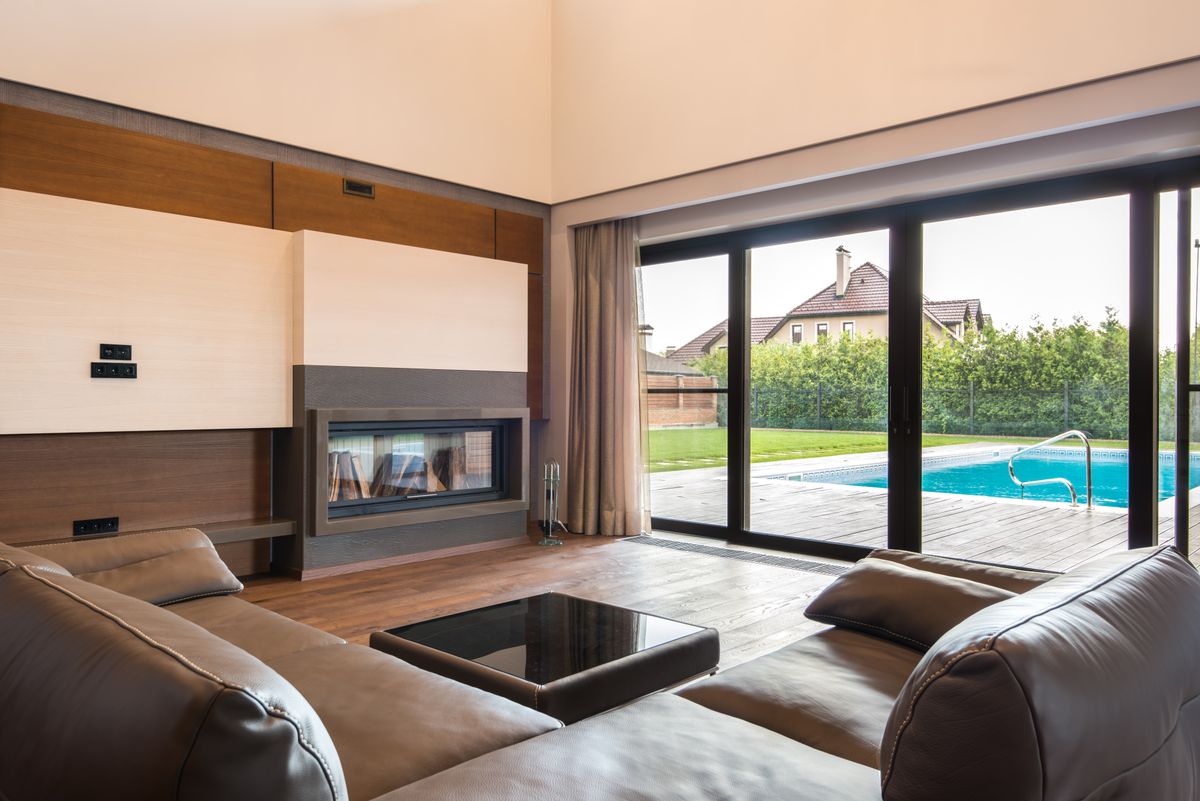
Sliding windows are particularly well suited to this environment because they have fewer moving parts exposed to the elements than casement or hinged designs, and their horizontal motion puts less strain on hardware over years of daily use. A well-installed sliding system also allows for larger uninterrupted glass panels, which matters in villas designed around garden or pool views.
Aluminium vs uPVC vs Wood: Which Material Wins in the Desert?
Timber frames look attractive in showrooms but rarely survive UAE conditions well. Direct sun exposure dries and cracks wood over a few years, and the maintenance required to keep it sealed is more than most owners want to take on. uPVC is more resilient than wood but can soften and warp under prolonged high heat, particularly on west-facing elevations that receive intense afternoon sun.
Aluminium, especially with a thermally broken profile, holds its shape under heat, resists corrosion, and does not fade or become brittle in UV exposure the way plastic frames can. It is also significantly stronger for a given frame thickness, which allows for slimmer sightlines and larger glass areas. This is why the large majority of new villa and commercial builds across Dubai and Abu Dhabi now specify aluminium as standard.
Key Features to Look For Before You Buy
Not all aluminium windows are built to the same standard, so it pays to ask specific questions rather than assume every quote is comparable. A thermally broken frame separates the interior and exterior aluminium sections with an insulating barrier, cutting down heat transfer significantly compared to a standard extrusion. Ask whether this is included, since some budget suppliers quote solid aluminium without it.
Glass specification matters just as much as the frame. Double glazing with a low-emissivity (Low-E) or tinted coating reduces solar heat gain while still letting in natural light. On the hardware side, look for multi-point locking, UV-stable rollers and tracks, and sealing brushes designed to keep out fine sand rather than just standard weatherstripping.
What the Installation Process Actually Looks Like
A proper installation starts with a site visit and precise measurement of every opening, since even small discrepancies between openings that look identical can affect fit and sealing. From there, a reputable contractor fabricates the frames to order rather than trimming stock sizes, which keeps tolerances tight and improves the long-term seal.
On installation day, old frames are removed, openings are checked and prepared, and new units are fitted, leveled, and sealed with weatherproof silicone both inside and out. A good installer will also test every sliding panel for smooth operation and check that locking points engage correctly before calling the job complete, rather than leaving that discovery to the homeowner later.
Cost Factors and Getting the Best Value
Pricing for aluminium sliding windows in the UAE varies based on panel size, glass specification, frame finish, and the number of tracks. A basic double-track sliding window with standard glazing will cost considerably less than a triple-track, floor-to-ceiling system with Low-E double glazing, but the cheaper option may cost more in cooling bills over a five-year period.
The best way to compare quotes is to ask each supplier for the same specification in writing: frame profile, glass type and thickness, hardware brand, and warranty length. A quote that looks cheaper on the surface often drops one of these details, so a fair comparison protects against surprises after installation.
Common Mistakes Property Owners Make
One of the most frequent mistakes is choosing windows based on price alone without checking whether the glass and frame specification actually suits the orientation of the room. A west-facing bedroom needs a different glazing strategy than a shaded north-facing hallway, and a one-size-fits-all approach often leads to rooms that stay uncomfortably warm no matter how hard the air conditioning works.
Another common error is skipping professional measurement in favor of DIY sizing, which almost always results in gaps that need to be packed with sealant rather than a proper mechanical fit. This shortens the working life of the seal considerably and can allow dust infiltration within the first year. A short site visit from an experienced installer avoids this problem entirely and usually costs nothing at the quotation stage.
Maintenance Tips to Extend the Lifespan of Your Windows
Aluminium windows are low maintenance compared to other materials, but a small amount of regular care keeps them performing well for decades. Vacuum or brush out the tracks every few months to prevent sand buildup from affecting the rollers, and wipe down rubber seals with a mild soap solution to keep them supple rather than letting them dry out and crack.
Once or twice a year, apply a small amount of silicone-based lubricant to the tracks and rollers, and check that locking mechanisms still engage firmly. If a window starts to feel stiff or noisy, it is usually a sign the track needs cleaning rather than a sign of a failing frame, and catching it early avoids more costly repairs later.
Frequently Asked Questions
How long do aluminium sliding windows last in the UAE?
With proper installation and basic maintenance, quality aluminium sliding windows typically last 20 to 30 years without needing frame replacement, though seals and rollers may need periodic servicing.
Can existing window openings be resized for larger sliding panels?
In most cases yes, though structural openings in load-bearing walls need an engineer’s assessment first. Non-structural openings can usually be adjusted during installation.
Is it worth upgrading to triple-track sliding systems?
Triple-track systems allow one panel to remain fully open while a fly screen stays in place, which is popular for ground-floor villa windows. They cost more but add useful flexibility for ventilation.
Do aluminium sliding windows need a special permit for villas in Dubai?
Standard like-for-like window replacements generally do not require a permit, but changes to opening size or facade appearance may need developer or municipality approval. A reputable installer will flag this during the site visit if it applies to your property.
Choosing the right supplier matters as much as choosing the right product. Modern Shade’s aluminium sliding window team handles measurement, fabrication, and installation in-house across Dubai, Abu Dhabi, and the wider Emirates, so every stage is covered by one point of contact and one warranty. Contact our team today for a free, no-obligation measurement and quote.