Cafe Pergolas in Dubai: Turning Outdoor Seating Into Year-Round Revenue
Why the right outdoor shade structure is one of the highest-return investments a UAE cafe, restaurant or F&B venue can make.
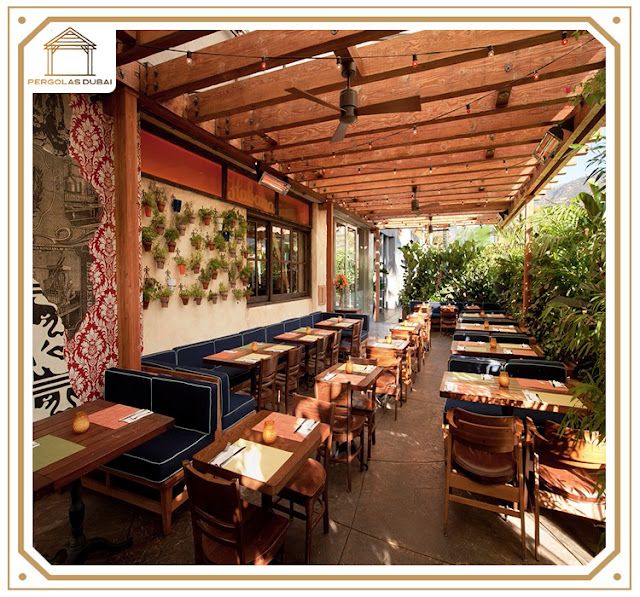
Outdoor seating is one of the most valuable pieces of real estate a cafe or restaurant in the UAE can offer, but it is also one of the most underused. A terrace or courtyard that bakes in direct sun for most of the day generates revenue for only a handful of comfortable hours, typically early morning and late evening, while the same space under a properly designed cafe pergola can remain genuinely pleasant from breakfast through to closing, almost every day of the year. For F&B operators thinking about expanding capacity, the math on a quality shade structure is usually far more favourable than building out additional indoor seating.
This guide covers what makes a cafe pergola different from a residential one, the design decisions that affect how much extra covers a venue can turn, and what to look for in a supplier who understands commercial F&B projects specifically. For the full design and installation details, see our dedicated cafe pergola installation page.
Why Commercial F&B Shade Is a Different Design Problem
A residential pergola is designed around how a single household uses its own garden. A cafe pergola is designed around table turnover, staff movement, heater and fan placement, lighting for evening service, and the brand identity of the venue itself — a much more commercially demanding brief. The layout needs to accommodate a defined seating plan with clear aisle space for servers, the structure needs to be robust enough to handle the additional wear of daily commercial use rather than occasional residential use, and the aesthetic needs to actively contribute to the dining experience rather than simply provide shade.
Pitch and height also matter more in a commercial context. A pergola pitched too low feels cramped once tables, chairs, and standing servers are factored in, while a structure pitched correctly creates the open, airy atmosphere that makes outdoor dining genuinely appealing rather than merely tolerable. We typically recommend a minimum clear height that accounts for ceiling fans, pendant lighting, and any signage the venue plans to mount within the structure.
Fixed Roof vs Louvered: Which Suits Your Venue?
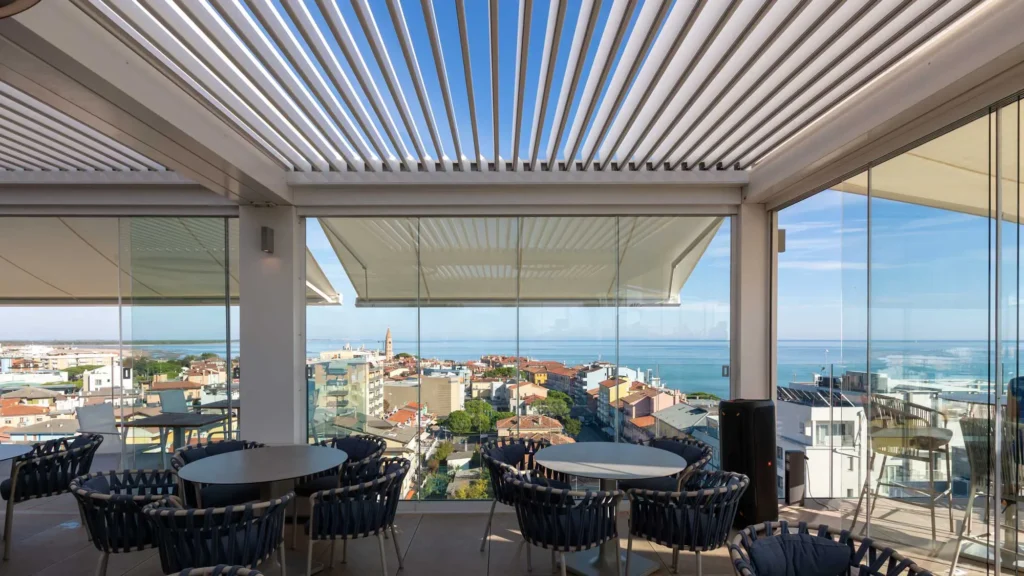
A fixed-roof cafe pergola is the more cost-effective option and works well for venues that want consistent, predictable shade without ongoing operation. It suits cafes and casual dining concepts where the priority is simply maximising usable outdoor hours at the lowest capital cost. A motorised louvre roof system, by contrast, gives the venue the ability to fully open the roof on a pleasant evening — creating an open-air dining experience that guests specifically seek out — and close it during peak sun hours or the rare rain event. For higher-end restaurants and hotel F&B outlets where the outdoor dining experience is part of the brand positioning, the additional cost of a louvre system is frequently justified by the premium pricing and longer dwell time it supports.
Integrating Heating, Cooling and Lighting
A cafe pergola designed purely as a shade structure misses much of its commercial potential. Integrated misting systems or ceiling fans extend comfortable outdoor dining further into the summer months, while outdoor patio heaters — increasingly common at higher-end Dubai venues — make winter evening dining genuinely comfortable rather than merely possible. All of these elements need their wiring, plumbing, and mounting points planned into the pergola structure itself before fabrication, since retrofitting services into a completed structure is far more disruptive and expensive than building them in from the start.
Lighting deserves particular attention for any F&B outdoor space, since evening dining is frequently the highest-revenue service of the day. Warm-toned LED strip lighting integrated into the pergola beams, combined with pendant fixtures over individual tables, creates the kind of atmosphere that photographs well for social media and encourages guests to linger — both of which have a measurable effect on a venue’s covers and average spend.
Permits and Landlord Approval for Commercial Outdoor Seating
Commercial outdoor seating structures in Dubai, particularly those in retail centres, mixed-use developments, or leased premises, typically require approval from the landlord or master developer in addition to any municipal permit. This process is similar in principle to the residential community NOC process but generally involves a more detailed submission, since the structure needs to be assessed alongside fire safety, accessibility, and the centre’s overall aesthetic guidelines. Building this approval timeline into your project planning from the outset — typically allowing four to six weeks for commercial approvals — avoids the common mistake of ordering a structure before confirming it can actually be installed where it is intended to go.
A supplier experienced in commercial F&B installations will typically offer to prepare the technical drawings and specifications needed for this submission as part of the project, since landlords and master developers generally expect the same level of documentation regardless of whether the applicant is a small independent cafe or a large restaurant group.
☕ Ready to Extend Your Outdoor Seating Season?
Modern Shade designs and installs cafe pergolas for restaurants, cafes, and hotel F&B outlets across Dubai, with optional louvre roof systems for full climate control. We handle the commercial approval documentation for you. Call +971 50 852 0085 for a site consultation.