Hardscape Services in the UAE: A Property Owner’s Guide
Every outdoor space needs a solid foundation of paving, patios, driveways, and walls before the planting even begins, and that foundation is exactly what professional hardscape services provide. Hardscape covers the non-living, built elements of a landscape, and in the UAE those elements face a uniquely punishing set of conditions that most standard construction methods were never designed to withstand.
Why Hardscape Needs Special Engineering in the UAE
Extreme heat causes materials to expand and contract far more dramatically than in temperate climates, and sand movement combined with intense UV exposure accelerates the wear on surfaces that would last decades elsewhere. Paving that is laid without proper expansion joints or adequate base preparation often cracks, shifts, or develops uneven surfaces within just a few seasons, turning what should be a permanent investment into a recurring repair bill.
This is why hardscape contractors working in this region need to think beyond simply laying attractive materials on top of the ground. Base compaction, drainage planning, and material selection all have to account for the specific thermal and environmental stresses of the local climate, or the finished surface will fail regardless of how good it looks on installation day.
Core Hardscape Services Homeowners Need
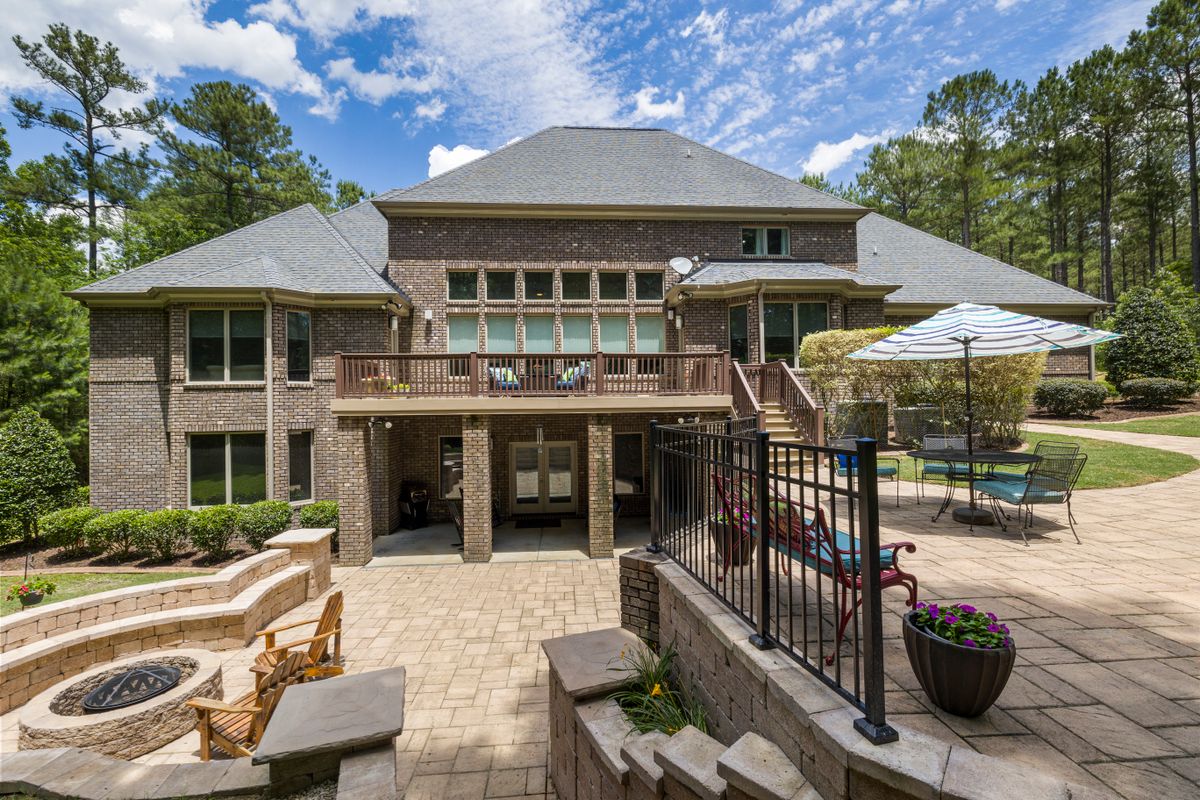
A complete hardscape project typically includes driveway and paving installation, patio and outdoor living surfaces, retaining walls, and pathways connecting different areas of the property. Driveways in particular need UV-stable materials capable of handling both intense sun exposure and the daily weight of vehicles without fading or cracking, which rules out many standard paving products that were designed with milder climates in mind.
Patios serve as the connective tissue between a home’s interior and its garden, and the best designs use heat-resistant tiles or natural stone that stay comfortable underfoot even during peak summer temperatures. Retaining walls, meanwhile, are essential wherever a property has changes in elevation, managing soil movement and drainage while also adding a clean, finished look to the boundaries of a garden.
Materials That Actually Last in Desert Conditions
UV-stable concrete pavers, natural stone, and porcelain tiles consistently outperform standard materials in UAE hardscape projects, resisting the fading and heat-related expansion that causes cheaper products to fail early. Porcelain in particular has become popular for pool surrounds and patios because it combines a premium appearance with genuine resistance to staining, scratching, and color loss under constant sun exposure.
Proper base preparation matters just as much as the surface material itself. A sub-base that has not been correctly graded and compacted will allow the paving above it to shift over time, no matter how expensive the tiles are, which is why reputable hardscape contractors spend as much time on excavation and base work as they do on the visible finish.
Coordinating Hardscape With the Rest of Your Landscape
Hardscape rarely exists in isolation, and the best results come from planning it alongside the property’s planting and outdoor living areas rather than treating each element as a separate project. A patio that connects seamlessly with garden beds, for example, needs its edges and drainage coordinated with the softscape design from the start, which is why many homeowners choose a single contractor capable of handling both. Modern Shade’s hardscape services are typically planned alongside our softscape services for exactly this reason, ensuring paving, planting, and irrigation all work together as one coherent design rather than three disconnected projects.
Fencing and boundary treatments are another area that benefits from coordinated planning, since a retaining wall or pathway often needs to align visually and structurally with the property’s perimeter fencing. Addressing these elements together from the outset avoids the awkward transitions and mismatched materials that often result when different contractors handle each piece independently.
Frequently Asked Questions
How long does hardscape installation typically take? A standard villa driveway or patio project usually takes one to three weeks depending on size, while larger commercial hardscape projects with multiple surfaces can take several weeks to complete properly.
What is the biggest mistake people make with hardscape in the UAE? Choosing materials based on appearance alone, without checking whether they carry UV stability ratings suited to constant desert sun exposure, is the most common and costly mistake.
Can existing cracked or uneven paving be repaired rather than replaced? In some cases yes, particularly if the underlying base is sound and only the surface material has failed, but a professional assessment is needed to determine whether the base itself has also been compromised.
The Hardscape Installation Process
A properly managed hardscape project follows a clear sequence: site assessment and measurement, design and material selection with a transparent cost breakdown, excavation and base preparation, and finally the installation of the chosen paving, walls, or patio surfaces. Skipping or rushing any one of these stages, particularly the base preparation phase, is where most hardscape failures originate, even when the visible surface materials themselves are high quality.
Once installation is complete, a good contractor will also seal and inspect the finished work before handover, checking that joints are properly filled, drainage falls correctly away from the building, and any retaining structures are stable under load. Ongoing care after installation, such as resealing porous stone every few years and topping up joint sand on paved areas, helps protect the investment and keeps surfaces looking as good as the day they were installed for far longer.
Getting an Accurate Hardscape Quote
Hardscape costs vary considerably based on the materials chosen, the size of the area being paved or walled, and the amount of site preparation required, which is why generic online price estimates are rarely useful for planning an actual project. A proper quote should be based on an in-person site visit that accounts for existing ground conditions, access constraints for equipment and materials, and the specific finish level the homeowner wants.
Transparent contractors will break down exactly what is included in a quote, from excavation and base materials through to the finished surface and any drainage or edging work, rather than providing a single lump sum that leaves room for unexpected add-on costs once work begins. Asking for this level of detail upfront is one of the simplest ways to avoid budget surprises partway through a hardscape project.
Do UV-stable materials cost significantly more than standard paving? There is typically a premium for UV-stable and high-grade materials, but the extended lifespan and reduced repair costs almost always make them more economical over the full life of the installation compared with cheaper alternatives that fail early.
Should hardscape and softscape be planned by the same contractor? While it is not strictly necessary, coordinating both under one team significantly reduces the risk of mismatched drainage, conflicting timelines, or design elements that do not visually connect once the project is finished.
Ultimately, the value of professional hardscape work becomes most obvious years after installation, when a well-built patio or driveway still looks and performs like new while a poorly executed one has already needed costly repairs. For anyone planning a significant outdoor renovation in the UAE, investing the time to choose an experienced hardscape contractor upfront is consistently the decision that pays off over the long run.
If you are currently weighing up quotes for a paving, driveway, or patio project anywhere in Dubai or the wider Emirates, it is worth asking each contractor directly about their base preparation process and the specific UV rating of the materials they propose, since these two factors matter more to long-term performance than almost anything else in the specification.