Tensile vs PVC Car Parking Shades: Which Is Right for Your UAE Property?
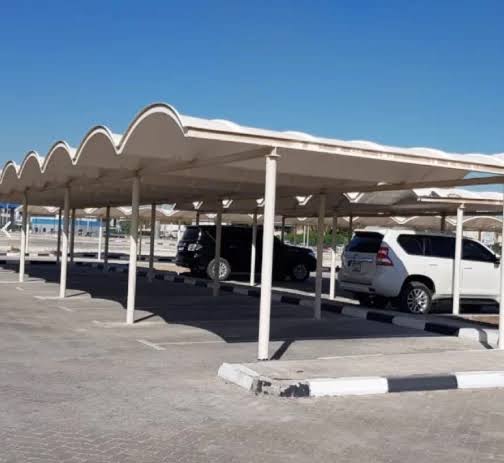
When choosing a car parking shade for your UAE property, one of the most common decisions property owners face is whether to choose a tensile HDPE fabric shade or a PVC-coated membrane shade. In particular, both materials offer excellent UV protection and have been used successfully across thousands of car parking shade installations in Dubai, Sharjah, Abu Dhabi, and the wider UAE. However, they differ significantly in terms of waterproofing, breathability, weight, cost, and lifespan. Therefore, understanding these differences is essential before you commit to a material for your shade project. Explore our full range of tensile car parking shades and PVC car parking shades to compare options.
What Is a Tensile HDPE Shade Fabric?
Tensile HDPE shade fabric is made from high-density polyethylene yarns woven into a open-knit mesh structure and then UV-stabilised to prevent degradation in intense sunlight. Specifically, HDPE shade cloth blocks between 90% and 95% of UV radiation depending on the weave density, while remaining breathable enough to allow hot air to pass through the fabric rather than trapping it underneath the canopy. As a result, the temperature underneath an HDPE tensile shade is typically 15 to 20 degrees Celsius cooler than the direct sunlight temperature above it, making it extremely effective at protecting parked vehicles from heat damage.
Furthermore, HDPE shade fabric is lightweight, which means it imposes minimal loads on the supporting steel frame and foundation system. This lightweight characteristic makes HDPE tensile shades faster and cheaper to install than PVC membrane shades, and it allows larger spans to be covered with fewer columns. HDPE shade cloth is typically warranted for five to ten years and can be replaced at relatively low cost at the end of its service life without touching the steel frame. Our car parking shade supplier UAE team can advise you on the best HDPE grade for your specific site.
What Is a PVC Car Parking Shade?
PVC car parking shades use a coated polyester fabric in which the base polyester scrim is fully encapsulated in PVC compound on both sides, creating a completely impermeable membrane. Consequently, PVC shades are fully waterproof and will exclude rain entirely rather than allowing it to pass through as HDPE shade fabric does. Moreover, PVC membranes are heavier and stiffer than HDPE shade cloth, which means they can be fabricated into precise architectural shapes with crisp edges and smooth surfaces that have a particularly premium visual appearance.
However, because PVC is an impermeable membrane, it traps heat underneath the canopy rather than allowing it to dissipate upward. As a result, PVC shades are slightly less effective at cooling the area below them than HDPE breathable fabric, and they require adequate ventilation gaps at the edges of the canopy to prevent heat build-up. PVC membranes are typically warranted for ten to fifteen years and are harder and more expensive to replace than HDPE fabric. Visit our PVC car parking shed Dubai page to see the full range of PVC options we supply and install.
Key Comparison: HDPE Tensile vs PVC
Waterproofing: PVC wins clearly. HDPE fabric allows light rain to pass through, while PVC excludes all rain completely. Therefore, if your UAE property is in a location that experiences occasional heavy seasonal rain, PVC is the better choice for complete vehicle protection.
Breathability and Cooling: HDPE wins clearly. Because HDPE is an open-knit breathable fabric, it allows hot air to escape upward rather than trapping it underneath the canopy. Consequently, vehicles parked under HDPE tensile shades experience lower peak temperatures than those under PVC shades of equivalent size.
Weight and Structural Load: HDPE wins. A lighter fabric means lighter frames, smaller foundations, and lower overall installation costs. Furthermore, lighter structures are easier and faster to install, reducing the disruption to your property during the installation period.
Aesthetics: PVC is preferred for high-end applications. The smooth, impermeable surface of PVC membranes allows crisper shapes and a more refined architectural appearance than the open-knit texture of HDPE shade cloth. In addition, PVC is available in a wider range of solid colours with a more consistent appearance.
Cost: HDPE is significantly more affordable upfront. Both materials are cost-effective over their respective service lives, but HDPE requires a lower initial investment. For property owners on a tighter budget who still want excellent UV protection, HDPE tensile is the clear choice. For those prioritising complete rain protection and premium aesthetics, PVC is worth the additional investment.
Which Should You Choose for Your UAE Property?
For most residential villa owners in Dubai, Sharjah, and Abu Dhabi who want cost-effective UV protection with maximum cooling underneath the shade, HDPE tensile fabric is the recommended choice. However, for villa owners who want complete rain exclusion, a premium appearance, or who live in areas prone to heavy seasonal downpours, PVC is the better investment. Contact Modern Shade today for a free site visit and expert recommendation tailored to your specific property, budget, and requirements.